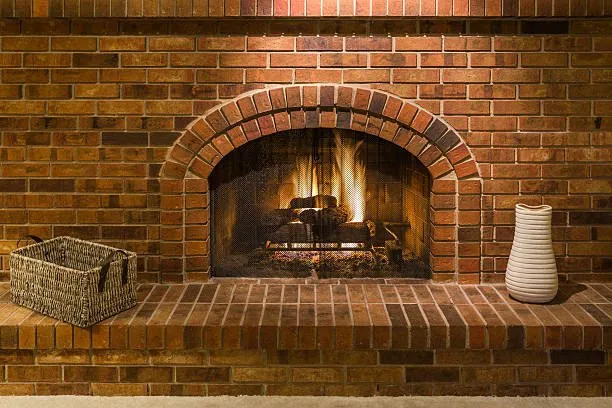
Chimney Repairs: Preparing for Winter Use
As winter approaches, ensuring the safety and functionality of your chimney is crucial. Chimney repairs can prevent hazardous situations and ensure your home remains warm and secure during the colder months. In this guide, we will cover essential chimney repair tips, common issues to look out for, and the importance of regular maintenance.
Common Chimney Issues
Before preparing your chimney for winter use, it’s essential to identify common issues that could require repair. Here are some of the most prevalent problems homeowners may face:
- Cracks in the masonry
- Damaged chimney cap
- Obstructed flue
- Creosote buildup
- Water leaks
Cracks in the Masonry
Cracks can develop due to weather conditions or structural shifts. These not only affect the chimney's appearance but can also lead to further damage if not addressed promptly.
Damaged Chimney Cap
A chimney cap protects your chimney from rain, snow, and debris. If it's damaged, it can lead to water intrusion and increased repair costs.
Obstructed Flue
Obstructions can be caused by debris, animal nests, or soot buildup, which can prevent proper airflow and lead to dangerous chimney fires.
Creosote Buildup
Creosote is a byproduct of burning wood and can accumulate in your chimney. Regular cleaning is essential to prevent chimney fires.
Water Leaks
Water leaks can cause extensive damage to the chimney structure and surrounding areas. Inspect for signs of moisture or water stains.
Preparing Your Chimney for Winter
To ensure your chimney is ready for winter use, follow these steps:
- Schedule a professional inspection
- Clean the chimney flue
- Repair any visible cracks
- Replace or install a chimney cap
- Check for proper ventilation
Schedule a Professional Inspection
A professional inspection can identify issues you may not notice during a visual check. Experts can provide recommendations for repairs and maintenance.
Clean the Chimney Flue
Cleaning the chimney flue removes creosote and other obstructions, ensuring safe and efficient operation.
Repair Any Visible Cracks
Address any cracks in the masonry to prevent water damage and maintain structural integrity.
Replace or Install a Chimney Cap
Ensure your chimney cap is intact to keep out moisture and debris, which can prevent costly repairs later.
Check for Proper Ventilation
Proper ventilation is critical for chimney safety. Ensure there are no blockages that could impede airflow.
The Importance of Regular Maintenance
Regular maintenance not only ensures the safety of your home but also extends the life of your chimney. Here are some key benefits:
- Prevents dangerous chimney fires
- Increases energy efficiency
- Identifies potential issues early
- Saves money on costly repairs
- Enhances home value
Conclusion
Preparing your chimney for winter use is essential for home safety and efficiency. By identifying common issues and following a maintenance checklist, you can ensure your chimney is in top condition. Remember, regular inspections and repairs are key to a safe and warm winter. For professional chimney repair and maintenance services, contact Liam's Tuckpointing LLC to ensure your home is ready for the cold months ahead.
 .
.